
Moab 4x4 and Mountain Bike Trip Planning
The short answer: this is a nine-day, roughly 2,400-mile loop from Dallas, Texas to Moab, Utah and back, for four or five people sharing one Toyota TRD Pro Sequoia. There are three camp nights and five trail targets across four parks. The single most important planning decision is this — book the Cliff Palace ranger tour before you leave, and start every exposed desert hike at first light. Those two calls decide whether the days run you or you run the days.
Everything below is the reasoning behind that: why the route loops instead of doubling back, how the overnight stops split, how to time each trail, where the bikes and the 4x4 fit in, and where you sleep.

Why a loop beats a there-and-back
A there-and-back puts the whole interstate run in front of you twice, and the second pass is dead weight — same fuel stops, same views, same boredom. The loop version spends the return leg on its own stops: Mesa Verde on the way down from Utah, Palo Duro on the way across Texas, and the final drive home kept short at about 5.5 hours.
The trade-off is real though. A loop means every pack-out day is also a driving day, so the vehicle becomes a moving closet for nine days. Four or five people, one Sequoia and three camp nights means gear has to live in defined zones — camp bins, bike tools, food, daypacks. This route rewards packing discipline far more than it rewards a bigger vehicle.
How to split the drive across nine days
The split below is the site’s actual plan. Note the shape of it: one long haul out, two nights parked in Moab, then a steady sequence of one-night stops that gets you home without a monster final day.
- Night 1Albuquerque, New Mexico
End of the roughly 9-hour first leg out of Dallas. The Sandia Peak Tramway is the Albuquerque stop — the world’s longest aerial tramway, topping out at 10,378 ft.
- Nights 2–3Moab, Utah
Two nights at the basecamp, three miles from the Arches entrance. This is where Delicate Arch and the bike days happen.
- Night 4Canyonlands National Park — camp
One camp night up on the Island in the Sky side, which puts you minutes from the Mesa Arch trailhead before sunrise.
- Night 5Mesa Verde, Colorado — camp
One camp night before the Cliff Palace day. Staying close removes the morning drive that makes people miss their tour slot.
- Nights 6–7Palo Duro Canyon, Texas
Two nights back in Texas, with the Lighthouse Trail as the payoff ride or hike before the final drive home.
Two things to notice. First, the front of the trip is the expensive half — a roughly nine-hour drive from Dallas to Albuquerque is a full day, so treat the Sandia Peak Tramway as an evening or next-morning item rather than something you bolt onto arrival. Second, the two-night Moab block is what makes the bike days possible; steal a night from it and you lose a ride.
The four trails worth locking in — and how to time each one
Three of these are hiking trails and one is a ranger tour, and they all fail the same way: at the wrong hour. Hit the window and the whole route feels easy. Miss it and the day is gone.

Delicate Arch Trail
Exposed slickrock switchbacks with zero shade for the whole climb. Two things decide the day: carry at least 2 liters of water, and start early or go at sunset. Midday is the version of this hike people remember for the wrong reasons.
Timing: First light or sunset
Mesa Arch Trail
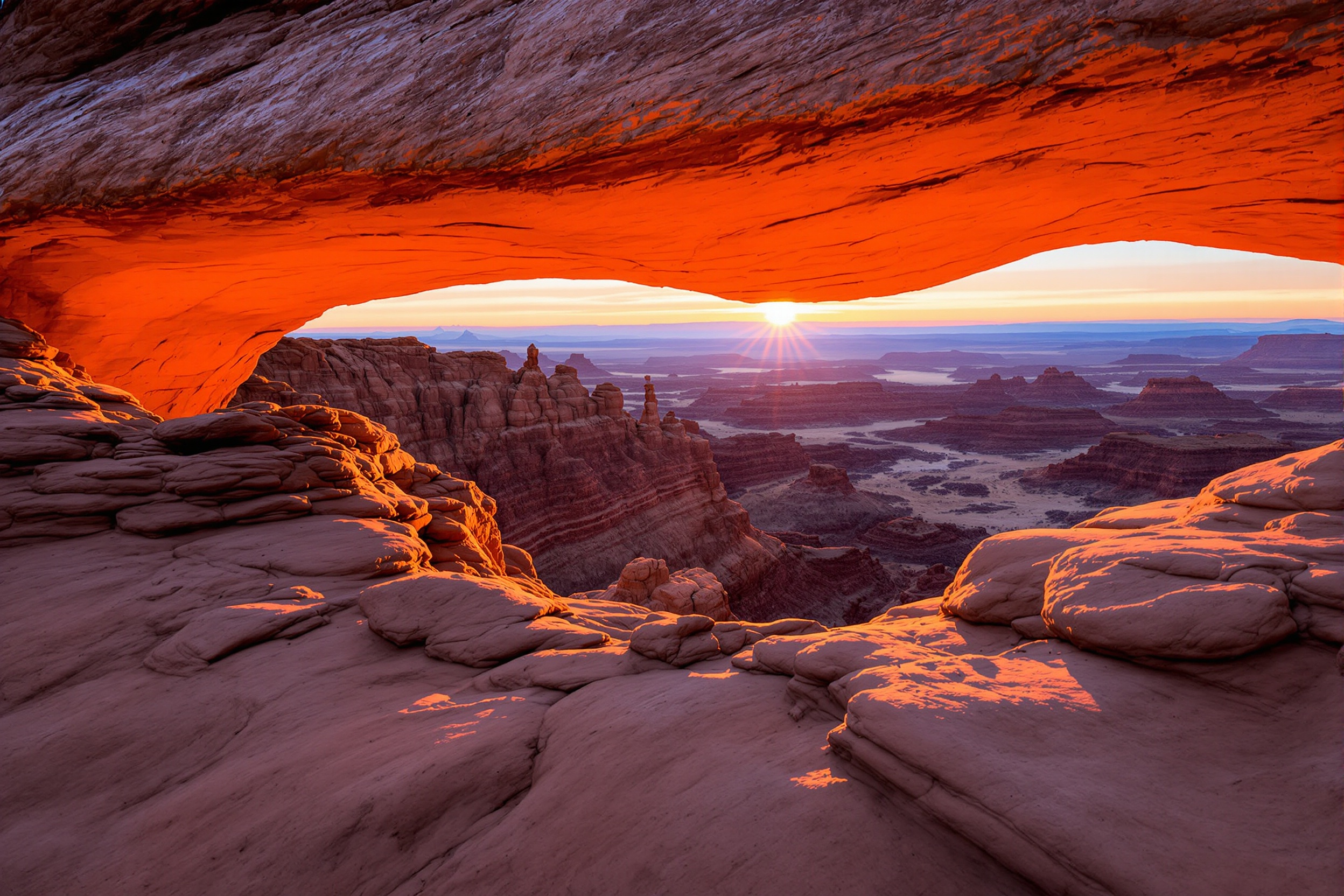
The shortest trail on the list and the one with the tightest timing window. The arch glows orange at first light, and only at first light. Being there 30 minutes early is the difference between the shot and a photo of a grey rock.
Timing: 30 minutes before sunrise
Cliff Palace
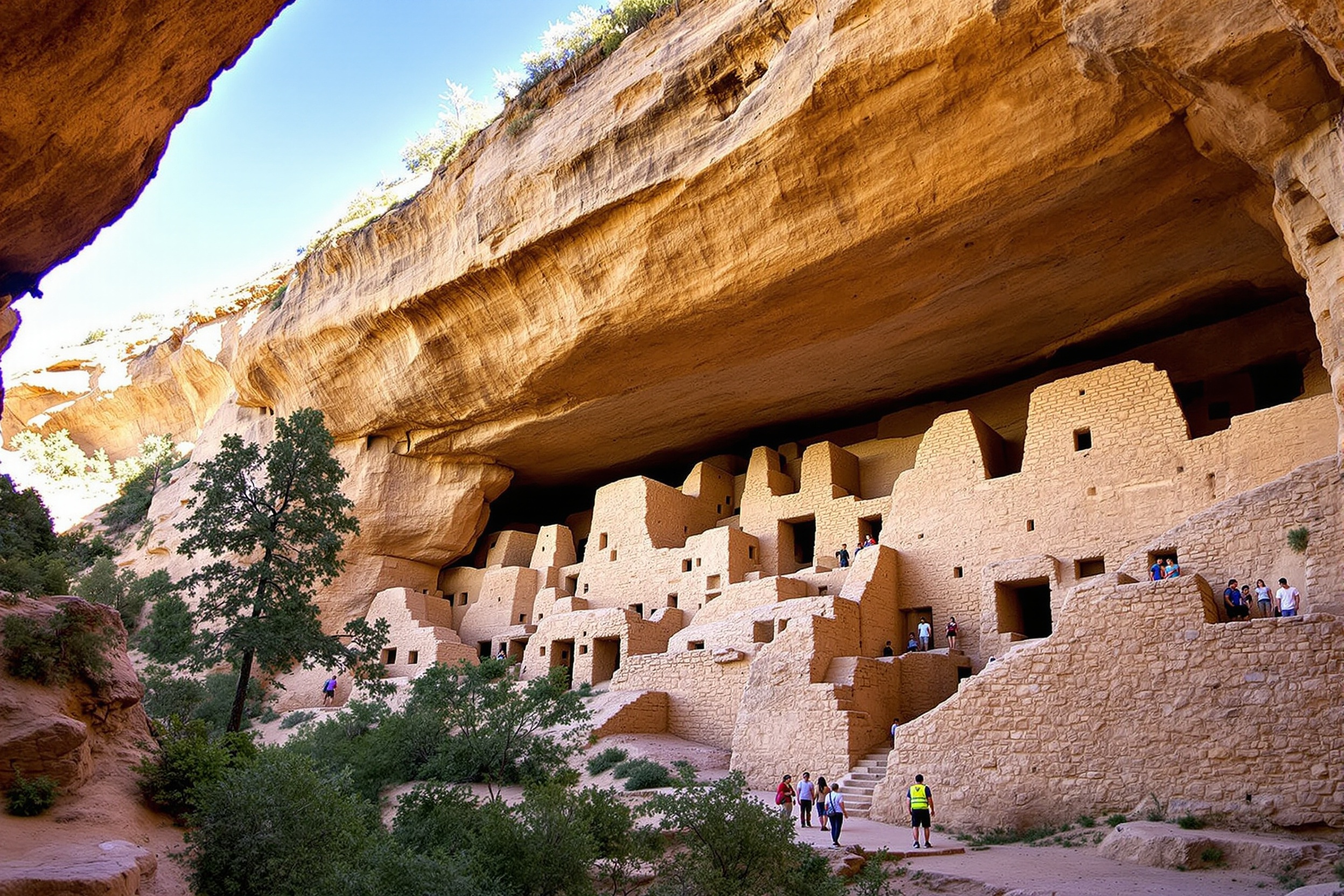
The largest cliff dwelling in North America: roughly 150 rooms and 23 kivas in one alcove. You drive to the overlook, then drop about two miles into the alcove on ladders. Ranger tours fill fast, so this is the one item to book before the trip rather than during it.
Timing: Arrive around 12:00–12:30
Lighthouse Trail
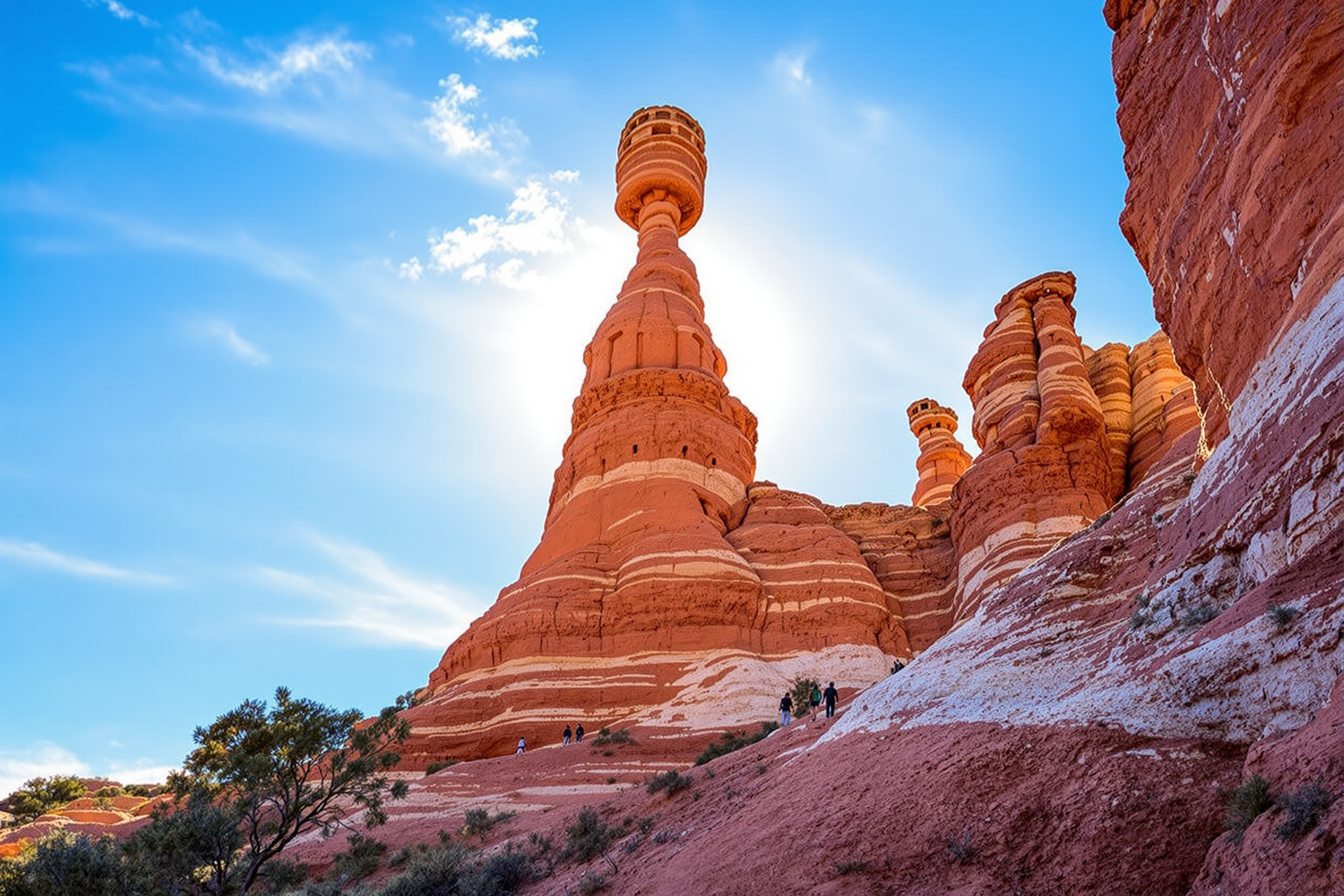
The Texas leg closer. The route threads clay hoodoos to the Lighthouse spire, and the clay turns slick the moment it rains — so the forecast the night before is a real decision point, not a formality. It rides well on a bike too, which makes it the flexible card in the deck.
Timing: Morning, after checking the forecast
Adding mountain biking without wrecking the hiking days
The temptation is to stack rides on top of hikes. That is how people end up walking their bike out of Slickrock at dusk. The workable version is one big ride per Moab day, and the vehicle doing the work on the days when legs are already spent.
Slickrock Trail — the 9.6-mile benchmark
A 9.6-mile loop on bare sandstone above the canyon rim, advanced rating, and grip that does not exist anywhere else. Schedule this one first because it sets the tone for what your legs can take the rest of the week.
Porcupine Rim — the big one
16 miles one-way, expert, and about a 3,000 ft descent into Castle Valley. One-way means logistics, so this is a half-day commitment, not something you slot in before dinner.
Chicken Corners — the 4x4-and-bike day
About 14 miles round trip, runnable as 4x4 or MTB, hugging the canyon rim with no guardrails. This is the best use of the Sequoia: on a Chicken Corners day the whole crew is out there together instead of splitting into riders and drivers.
Caprock Canyons — the Texas option
At Quitaque, Texas, a 64-mile trailway sits inside a network of more than 90 miles of trail. Worth knowing about because it is the alternative if the Palo Duro plan gets rained out — the clay trails there need a contingency.
An easy one to forget: air down. Drop to about 20 PSI for the rock, and carry recovery boards as a precaution. Highway pressure on slickrock is a bad time, and it is the sort of thing you cannot fix once you are out on the rim.
Where to camp — and why the Moab basecamp matters
Three of the nights are camp nights: Canyonlands, Mesa Verde and Palo Duro Canyon. The rest of the accommodation question is really the Moab one, and it matters because the two best hikes on the route run on light, not on schedule.
Under Canvas Moab
13784 North Highway 191, Moab, Utah — about 3 miles from the Arches entrance, on 40 acres. Luxury tents with private bathrooms and decks. Check-in 3:00 PM, check-out 10:00 AM.
Why it changes the plan: three miles from the Arches gate means the sunset run at Delicate Arch ends a short drive from a real bed, not a headlamp drive to a distant hotel.
Watch the check-out time against your early starts. A 10:00 AM check-out and a sunrise hike on the same morning means loading the vehicle the night before, not in the dark.
What to check the night before each day
This is a short list, and it is the difference between a smooth trip and three wasted mornings.
- Sunrise time, if tomorrow is Mesa Arch — you want to be parked 30 minutes before it.
- Forecast, if tomorrow is Lighthouse Trail — wet clay is slick and turns that hike into a slip test.
- Ranger tour confirmation for Cliff Palace, with the day built around a 12:00–12:30 arrival.
- Water load-out: at least 2 liters per person for Delicate Arch, with zero shade on the climb.
- Tyre pressure for any rock day, plus recovery boards in the vehicle.
- Camp check-in and check-out times so nobody is packing in the dark.
Three mistakes that actually cost people on this route
Starting an exposed desert trail late
Delicate Arch is 6 miles round trip with about 480 ft of gain and zero shade. It is not technical — it is exposed. Late starts turn a moderate trail into a water-management problem halfway up slickrock switchbacks. The same hour logic kills Mesa Arch: the glow is a first-light event, so a 7:30 arrival gets you a crowd and flat light.
Not booking the cliff dwelling tour
Cliff Palace is the largest cliff dwelling in North America — about 150 rooms and 23 kivas — and the ranger tours fill fast. Showing up and hoping is the most common way people miss it. Book ahead and build the Mesa Verde day around a 12:00–12:30 arrival so the drive, the overlook and the descent into the alcove all fit.
Rolling onto the rock at highway pressure
Slickrock and Chicken Corners punish street tyre pressure. Drop to about 20 PSI before you leave pavement, and do not assume someone else packed recovery boards. It is a five-minute job that prevents a two-hour problem on a rim with no guardrails.
Where to go next
The full sequence — every leg, every night, every park — is laid out on the day-by-day itinerary. If you are still deciding what to ride, the full trail list with distances and difficulty is broken out separately, and the gear checklist covers the pack-out side. Start with the itinerary, then work backwards into the bookings.